what are the signs your loved one needs full-time support?
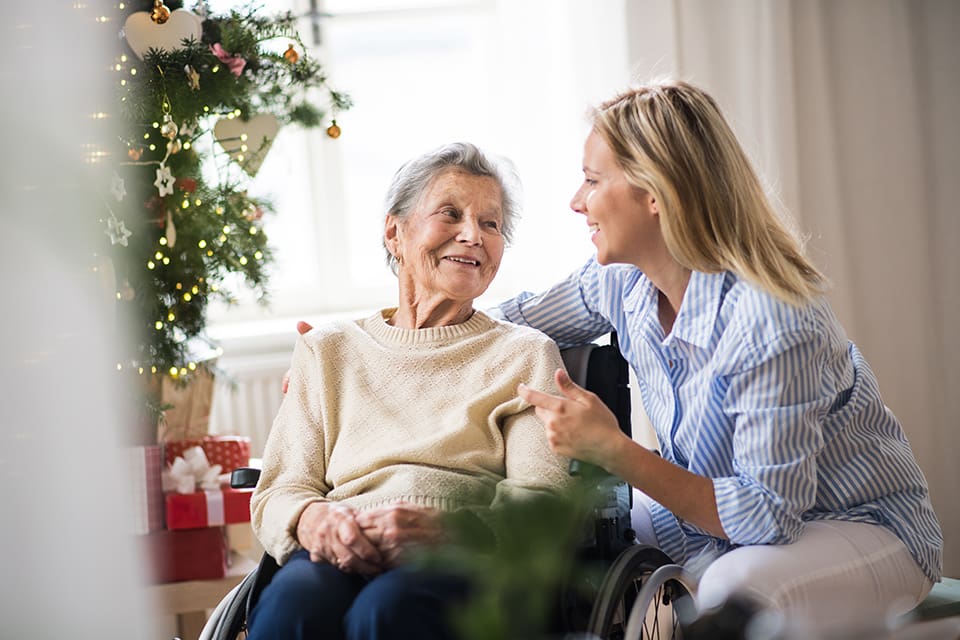 When is the right time to consider arranging care for the elderly ? If an elderly parent or other relative of yours lives on their own, have you noticed how quickly things can change between your visits? Last time you spent time with them, how did you find them? Was everything ok, or did you notice signs they were struggling to cope on their own? If so, you are probably wondering what sort of help they might need and whether they would accept it. Moving to a care home might seem like the obvious solution, but if that is not a route your loved one is willing to go down, then live-in care at home might well be the better option.
Live-in care is where a professional carer lives 24/7 with your parent or other relative and provides them with round-the-clock care and companionship. It is the simple and stress-free alternative to residential care for those who are determined to continue living in their own home, but need regular support to do so in safety.
Care can be arranged both for individuals and for couples. Live-in care is an increasingly popular and cost-effective option for couples, as it means they can continue living together at home, instead of being separated, as would happen if one of them moved to a care home.
Chesterford Homecare has been keeping people happy and safe in their own home, often with their spouse and pets, for nearly ten years now. If you are worried about the safety and welfare of an elderly loved-one, then give us a call and we can talk you through all your options, so you can decide if live-in care would be right for your elderly loved one.
In our experience there are certain signs to look out for, which you may have already noticed, indications that it is time to seek expert advice. A conversation with us does not mean you are obligated – but we do recommend you explore your options sooner rather than later if any of the points below resonate with you.
Signs that it may be time to consider arranging care for the elderly
The primary carer is stressed or burnt-out
If you are providing full-time care and support for someone, regardless of whether you are their spouse, another relative, or their private carer, you will be acutely aware how exhausting and stressful the role can be.
Live-in care can relieve the burden from the primary carer – providing peace of mind for everyone. Before relationships become strained, or caring leads to ill-health or burn-out for the main carer, have a chat with us to see how we can help.
Changes to mobility
Has your loved one started sleeping in a chair in front of the TV instead of going to bed, or are they struggling to get dressed in the morning? Difficulty getting in and out of bed, or not being able to walk unaided are good indicators that it would be safer for them to have regular ongoing professional support in the form of a live-in carer.
Falls and injuries
As we get older, living independently can become increasingly difficult as we lose strength, balance and dexterity. Simple chores like cooking and cleaning add to the risk of injury, as does having to navigate stairs, steps and uneven floors. If your loved one has had a fall, or if you are concerned about increasingly regular signs of scrapes, bruises and burns, then it may be time to consider arranging regular support.
Problems with personal care
It is a difficult but important conversation to have with a loved one if you notice their personal hygiene has started to slip. You will need to ask them how often they are taking a bath or a shower and if they are starting to struggle because of mobility issues.
Being unable to get to the toilet in time, or wetting the bed in the night, are strong indicators that your loved one would benefit from regular support. If you have become aware that they are suffering more and more “accidents”, then having a live-in carer on hand 24/7 is a way to help them maintain their dignity and independence.
House and garden being neglected
Compared to how things used to be, has the house or garden become a bit of a mess? Is the dusting and hoovering getting done, are the dishes stacked up in the sink and food going off in the fridge? Is the garden overgrown with weeds? These are small but significant signs that your loved one is beginning to struggle to keep on top of everything.
Food and medication
If you notice your loved one is not eating as they used to, or that their medicines are piling up unopened, these are clear signs that help is needed. Forgetting to eat, being unwilling or unable to prepare proper meals, or regularly forgetting to take medication can have serious consequences and lead to further health problems.
As well as doing the shopping and collecting prescriptions, your loved one’s live-in carer will cook them healthy and appetising meals from scratch and make sure they take their medication as prescribed. Some of our clients even regain the confidence to invite friends round for morning coffee or afternoon tea – with their carer providing any help needed with the preparation and clearing up. Greater social interaction is just one of the benefits of live-in care.
Helping you with your own difficult care decisions for your loved one
Knowing when the time is right to consider additional care for a loved one is difficult, but live-in care is the one solution that will allow your loved-one to remain in their home, rather than suffer the upheaval of moving into residential care. In our experience, remaining at home in familiar surroundings is better for our clients’ physical and emotional wellbeing – and it also relieves their families of a huge amount of stress and worry.
If any of the above signs seem familiar to you, then please get in touch. We can help assess whether you loved one needs support immediately and if they don’t, that’s fine. You will welcome the reassurance, but at the same time you will know who to call when the time is right.
We have been delivering high-quality live-in care for nearly 10 years in Essex, Herts, Bedfordshire, Cambridgeshire and Suffolk and we will be happy to help in whatever way we can to ensure that your loved one can remain happy, healthy and safe in their own home. If you want to read more click Help finding and arranging social care for the elderly | Age UK.